
Running a Sex Offender Check in Fresno County
The official starting point is the California Megan's Law Website, managed by the California Department of Justice. It is the public face of the state registry, not a separate Fresno County list. Searchers may use a name or place-based query, accept the required disclaimer, and narrow results to Fresno County, a city, ZIP Code, or address area. Local law enforcement updates the source data, and DOJ updates the public website daily.
Start with enough facts to tell people apart. A full name helps, but a photo, physical traits, known city, and address context make a match safer. DOJ cautions against relying only on name, age, and address. The system is informational and does not predict whether anyone will commit an offense. It also displays only what California law permits. A careful Fresno County sex offender check therefore answers a limited question: what public registration information does the state show now?
Fresno County Registration Routes
Registration happens locally even though the public database is statewide. A person reports to the law-enforcement agency with jurisdiction over the residence. Fresno, Clovis, and Sanger residents generally work with their city police department. People in unincorporated Fresno County generally use the Fresno County Sheriff's Office. That agency records the update and forwards it to DOJ.
This division explains why an apparent omission is not proof that no duty exists. Some registrants are not publicly displayed, and a new local update may still be moving through the data flow. Questions about appointments or local procedure belong with the police department or sheriff that has jurisdiction. The research did not establish a uniform county fee or appointment rule, so confirm those points with the responsible counter.
The CA.gov registered offender service page describes the daily update cycle.
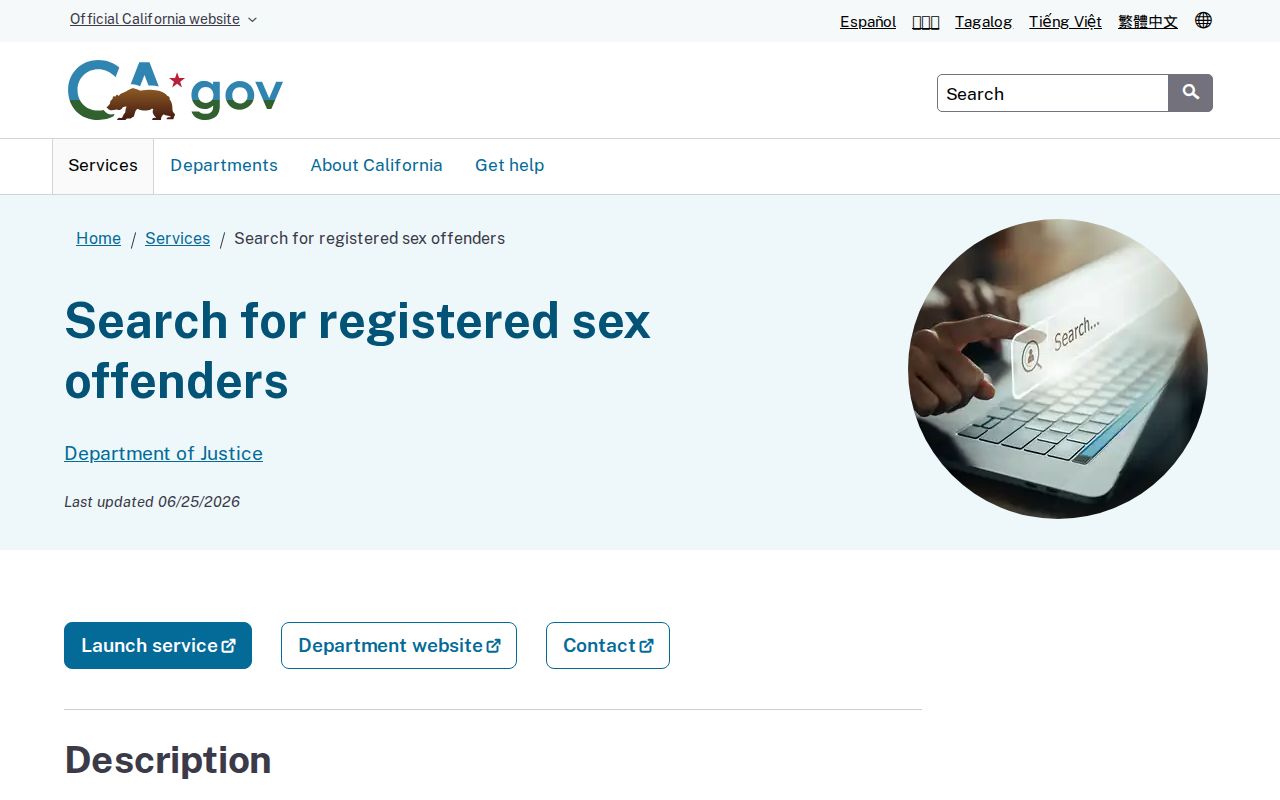
That state routing links Fresno County registration desks to the public search.
Searching the California Megan's Law Website
The search opens after the user accepts the Megan's Law conditions. Use a name when the person is known, or geographic fields for neighborhood awareness. Address and map tools add context. County and city fields control the area searched. Parks and schools may appear as map context, but the live interface can change.
- Open the official California Megan's Law Website and read the disclaimer.
- Select “Continue” or “I agree,” then choose a name or place search.
- Enter known fields and set Fresno County, city, ZIP Code, or address context.
- Compare photos, traits, locations, and status before treating a result as a match.
| Field | Type | Required | Use |
|---|---|---|---|
| Name | Text | No | First and last name when known |
| Address | Text or map | No | Search around a location |
| City | Text or selection | No | Narrow to a Fresno County city |
| ZIP Code | Text | No | Focus on a postal area |
| County | Selection | No | Choose Fresno County |
| Continue or I agree | Button | Yes | Acknowledge terms before search |
Fresno County Registry Display Limits
A blank result is not a full clearance. DOJ states that some registered people are not subject to public disclosure. For those who appear, California law may permit a home address or may limit display to a ZIP Code, city, or county. The public view also limits offense data to registrable offenses that the law allows DOJ to publish.
An address, county, and city search can answer different location questions. The map is not a count of every person who must register. Data can also have gaps because local agencies and registrants supply it. When a result seems wrong, compare more identifiers and contact the local agency that supplies the data.
DOJ's registration-law summary explains public display and updates.
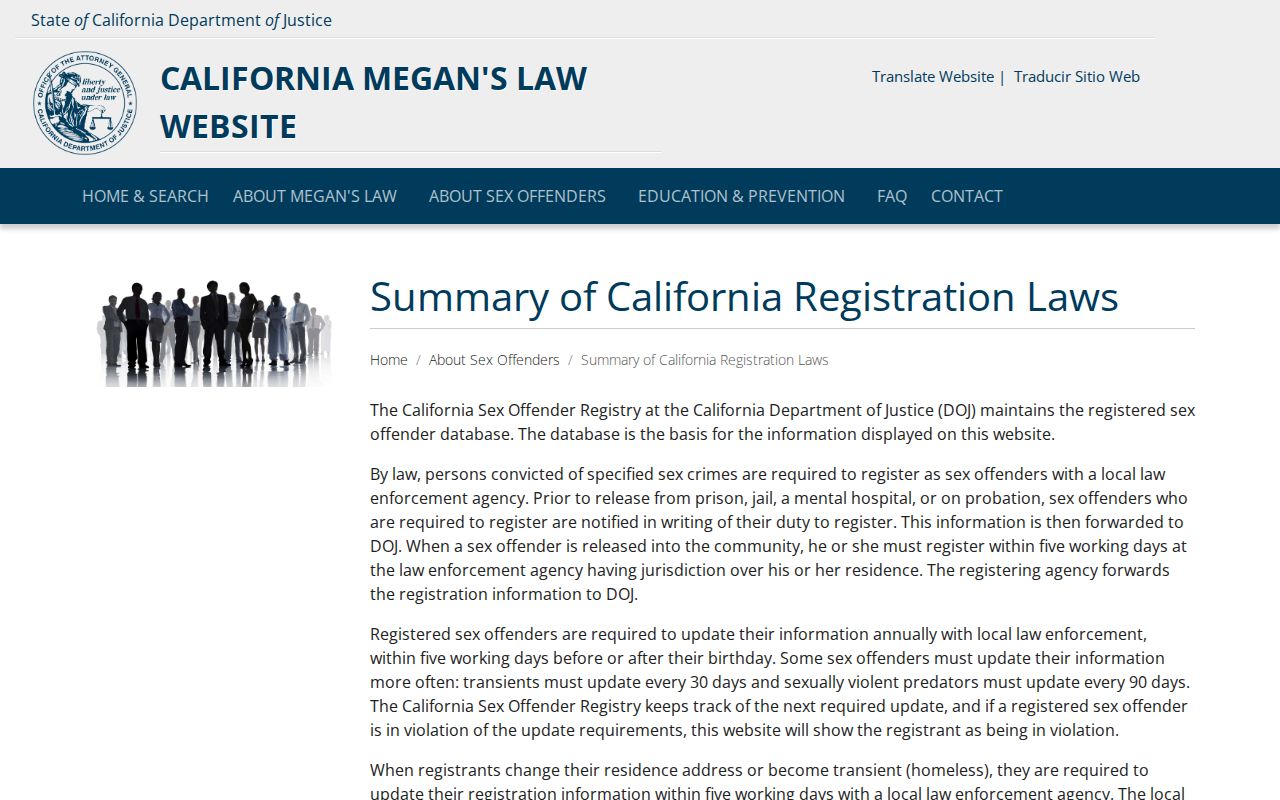
The summary shows why registration and public website display are not identical.
What a Registry Profile Shows
A public profile combines identity, location, and registration facts. Read the fields together. Photos and physical traits can reduce mistaken identity. Aliases may explain a name mismatch. Address detail depends on the statutory display category. Violation information may show a failure to update, but it is not a substitute for a court disposition.
| Name and aliases | Published names used to identify the registrant |
|---|---|
| Photo and description | Photo and traits; scars, marks, or tattoos may appear |
| Location | Home address or broader ZIP Code, city, or county category |
| Offense information | Registrable offense information allowed online |
| Status | Registration, compliance, or update-violation information |
| Map context | Public location and proximity context |
DOJ has not assessed the specific risk that a displayed person will reoffend. The profile is not a risk score, rap sheet, or full court file.
Fresno County Registration Update Clock
After release into the community, a registrant must report within five working days to the agency with local jurisdiction. A move or change to transient status also triggers a five-working-day update. Each registrant updates annually within five working days before or after the birthday. Those reports feed the Fresno County police or sheriff record that reaches DOJ.
Transient registrants update every 30 days. Sexually violent predators update every 90 days. These schedules explain why “last known” location and current residence may differ. For a suspected stale profile, give the local agency exact facts without confronting the listed person. An urgent threat belongs with emergency services.
Registration Requirements and Levels in California
California uses tiers, but tier, duration, public visibility, and update frequency are separate. The harvested official material did not establish exact year counts for every tier, so unsupported numbers are omitted. Public display still depends on offense and statutory category.
| Category | Duration or display | Update point |
|---|---|---|
| Tier 1 | Generally lower duration; display varies | Annual birthday update generally applies |
| Tier 2 | Longer registration; display varies | Annual birthday update generally applies |
| Tier 3 | Longest or lifetime category | Annual update, plus special rules |
| Sexually violent predator | Frequent-update category | Every 90 days |
| Transient registrant | Location display may be broad | Every 30 days |
| Non-public registrant | Required to register but not displayed | Local duties still apply |
Only the current law, DOJ record, and responsible local agency can resolve one person's status.
Fresno County and the NSOPW Layer
The National Sex Offender Public Website adds a cross-state search. It accepts first name, last name, county, city or town, and up to five ZIP Codes. One query can reach public registries across states, territories, and Indian Country. That helps when a known location crosses California's border.
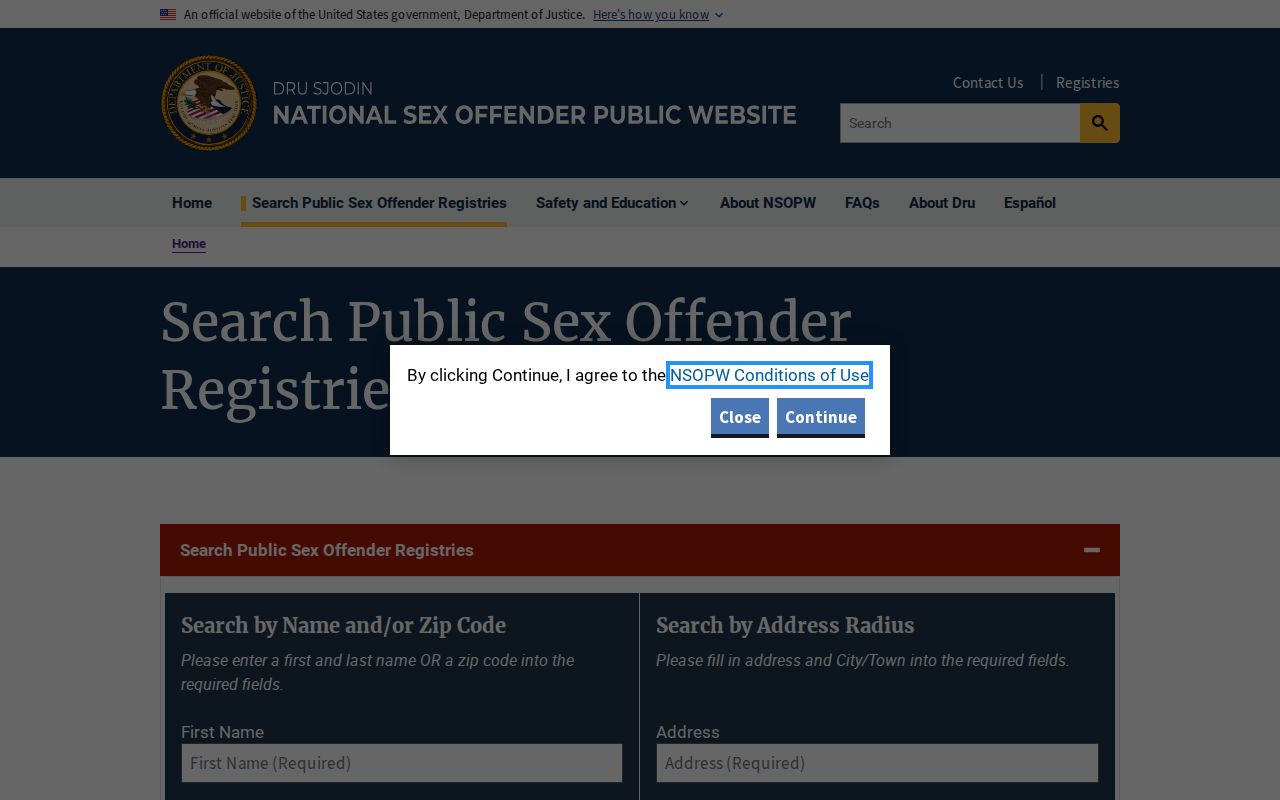
The national layer broadens geography, while California controls Fresno County display rules.
NSOPW can only pass through information each jurisdiction makes public. For a Fresno County-only question, start with California Megan's Law. Use NSOPW when the search spans states or several ZIP Codes, then return to the source registry for its current profile and disclaimer.
Avoiding Fresno County Mistaken Identity
Common names create match risks. DOJ warns that public data can be incomplete or wrong and location details may change fast. Compare the photo, aliases, physical description, marks or tattoos, mapped area, offense detail, and status. One matching field is weak evidence. Several consistent fields are better, though the source agency remains the place to verify an error.
If an address looks stale, note what the profile showed and the date viewed. Contact the city police department or the sheriff for an unincorporated address. Do not approach the person or publish a claim based on a loose match.
Keep the registry result in its proper lane. It does not show every police report, every charge, or the final outcome of every court case. It also does not explain why a particular display category applies. Those questions may require the originating court or registration agency. For community awareness, the most useful practice is to record the exact public fields, check the official update context, and avoid filling gaps with assumptions. A Fresno County place name alone is not enough to identify a person, especially when city and unincorporated addresses can sit close together.
DOJ also notes that information comes from registrants and local law enforcement. That source chain is why a factual correction starts locally. Give staff the profile details that seem inconsistent, the address or city at issue, and the date of the search. Agency staff can compare the public display with the registration data they maintain and decide whether an update should move to the state system.
Lawful Use and Community Notification
California provides registry data for public protection. Community awareness can include checking a neighborhood and planning family safety talks. It does not authorize harassment, threats, discrimination, or vigilantism. Read the state's disclaimer each time because conditions may change.
Warning: Misusing registry information can lead to prosecution and civil liability under California Penal Code section 290.46.
Report suspected noncompliance to the police department or sheriff with jurisdiction. Share facts, not conclusions. Use emergency services for an active danger. For an outdated listing, use the nonemergency registration channel so the local agency can check the report sent to DOJ.
The official Penal Code page supplies the controlling terms.
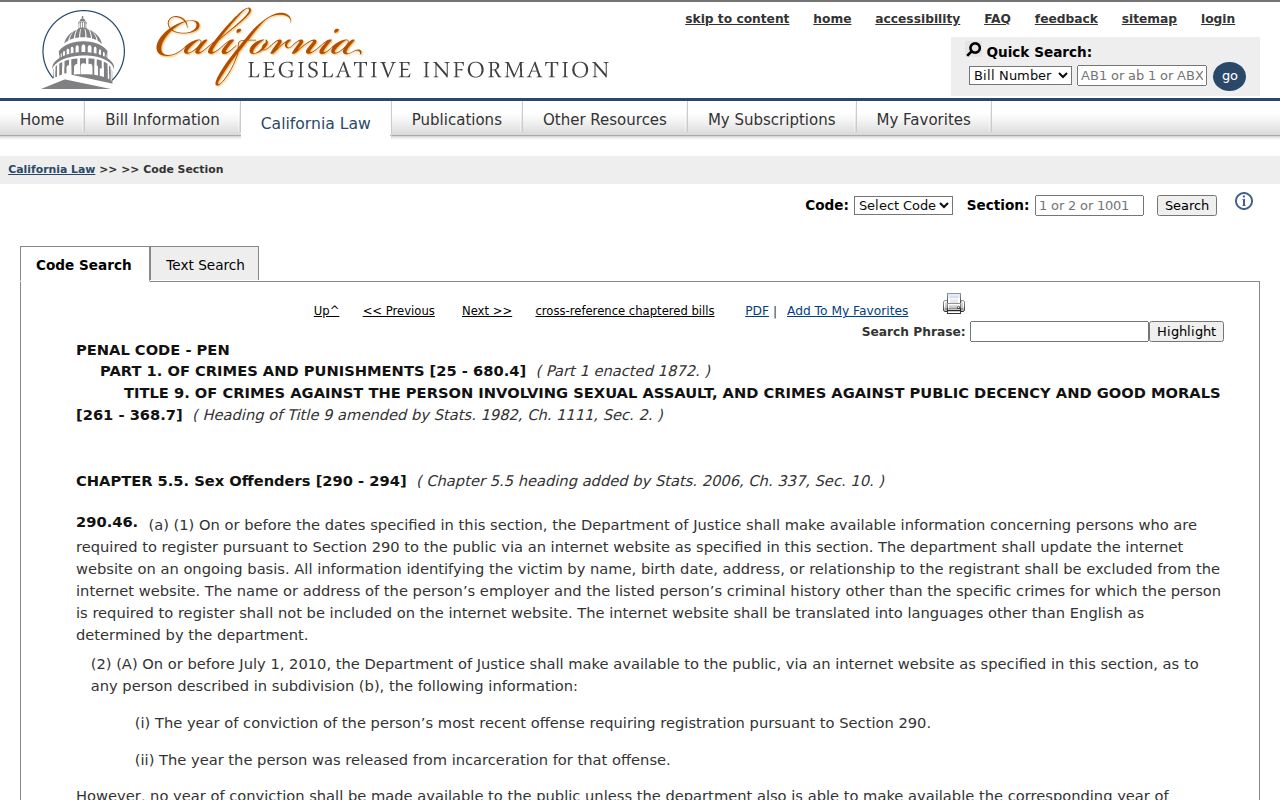
The law puts safety and restrained use at the core of every Fresno County search.